

Heidekrug country inn in Cotta near Pirna
Culinary highlights
The country inn with a family atmosphere
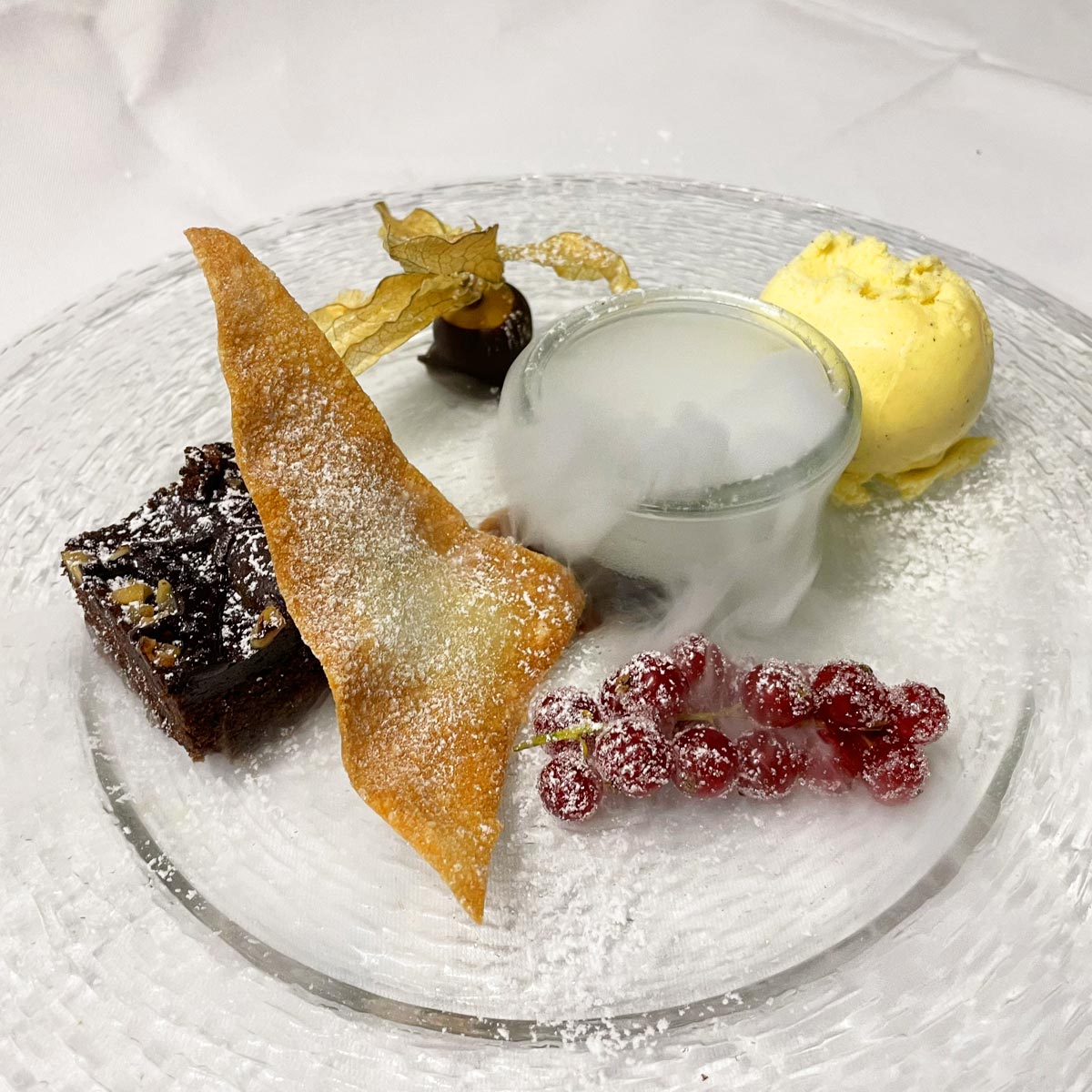
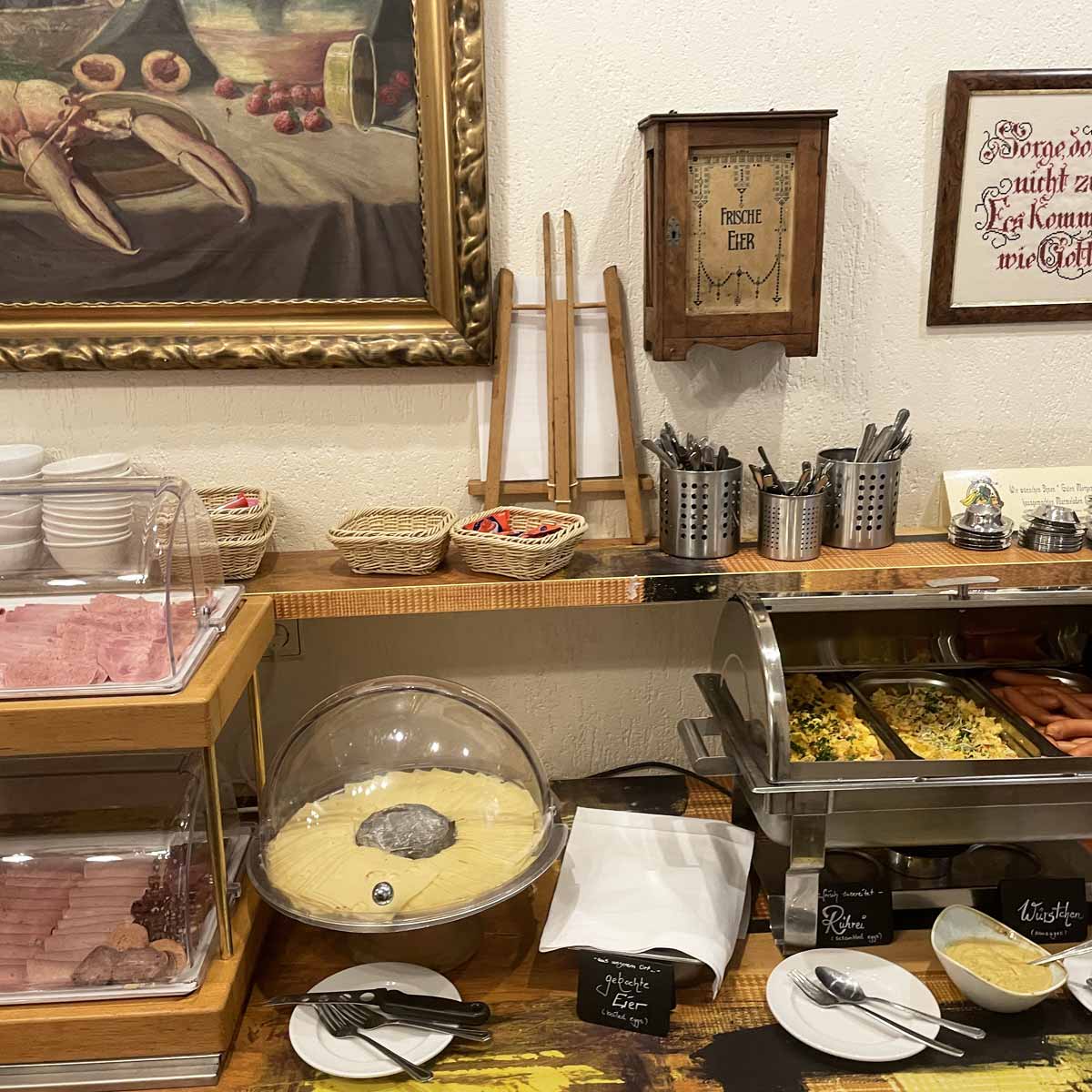
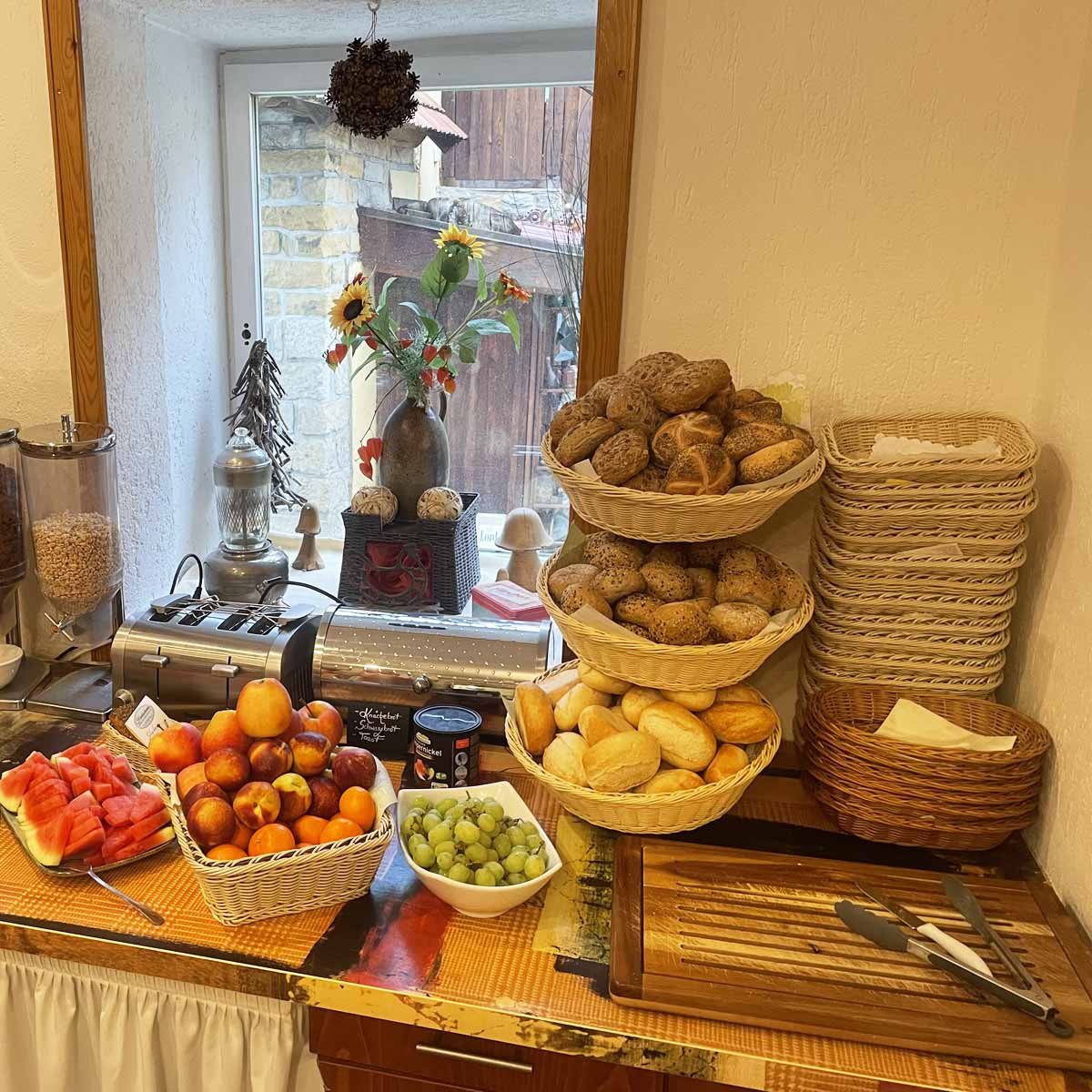
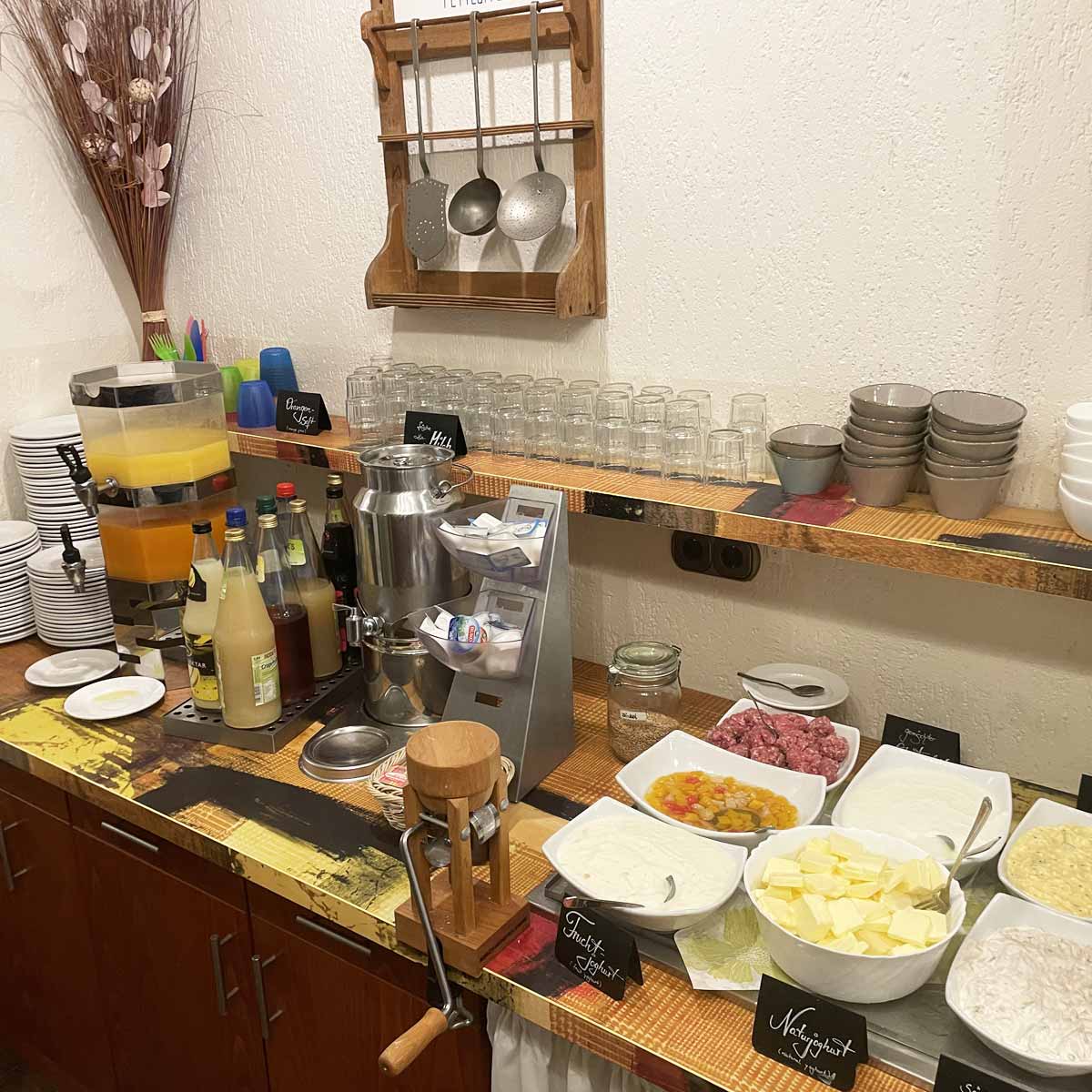
There is a lovely saying that “the way to a man’s heart is through his stomach” – we live by this motto and are happy to spoil you with our wide selection of dishes from a historic menu.
Using regional products and the occasional tasty spice from our own herb garden, our junior manager and his team conjure up many a culinary delicacy. You can enjoy your meal in several dining rooms with a good glass of wine or freshly tapped beer.
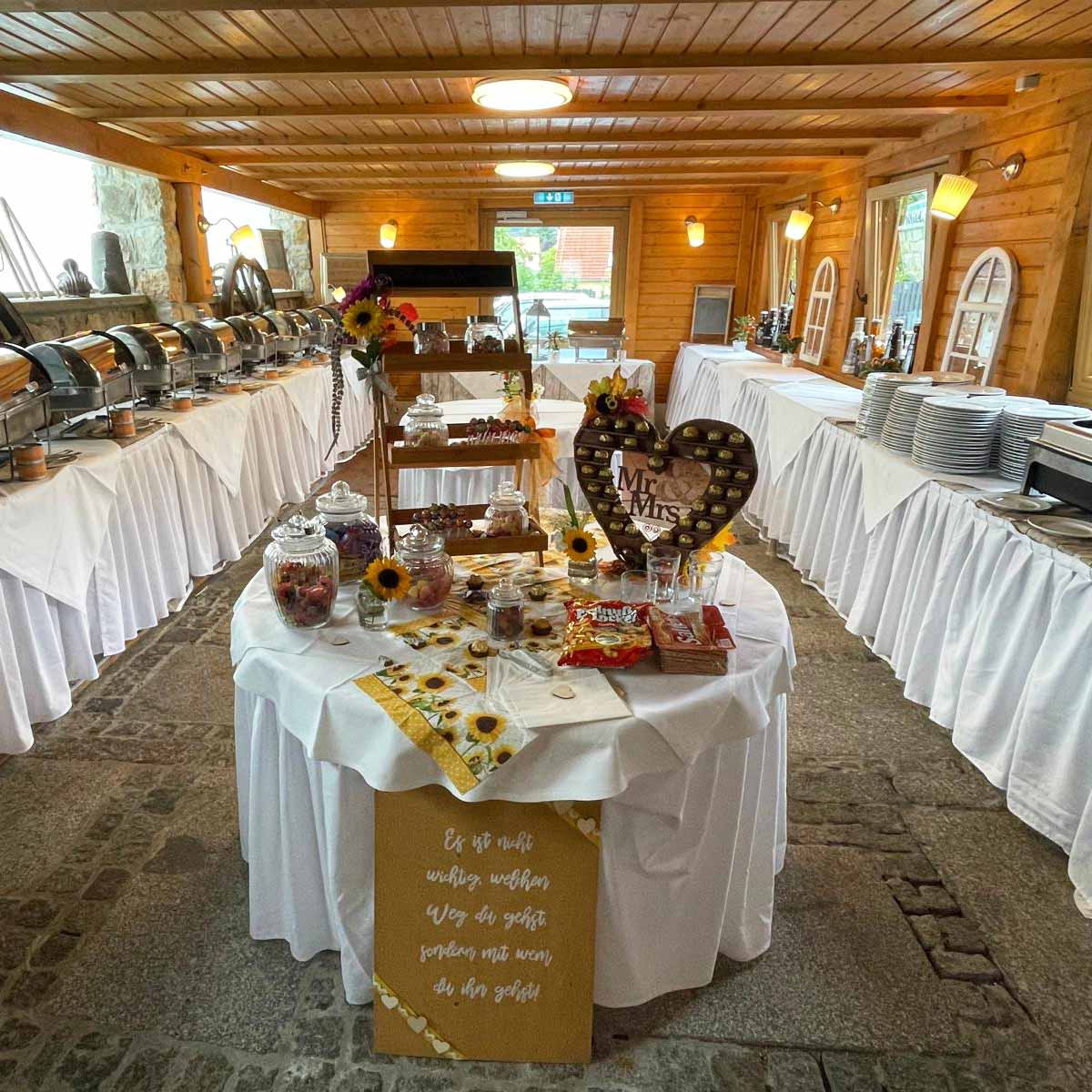
Whether in the small farmhouse restaurant (20 seats), the spacious winter garden (80 seats), or the cozy social and hunting room (50 seats), and since 2016, our “Heidescheune” with up to 160 seats over two floors and a surrounding gallery with a view of Dresden & Pirna – comfort is our priority and your satisfaction is our concern.







History of the “Rote Schenke”
History of the Heidekrug country inn
An old tavern on an old road
The history of the “Rote Schenke” (Red Tavern), as today’s Heidekrug inn was formerly known, dates back over three centuries.
The first mention of it dates from 1661 and refers to the sale of the Cotta manor, to which the tavern had probably always belonged. Much to the chagrin of the Pirna brewers, own beer was brewed and served here.
The tavern’s location on the old Bohemian postal and freight route determined its fate. Probably due to the turmoil of war – Sweden in the village in 1706, Prussia in 1744, the Seven Years’ War, Croats in 1773 – the tavern closed in the 18th century.
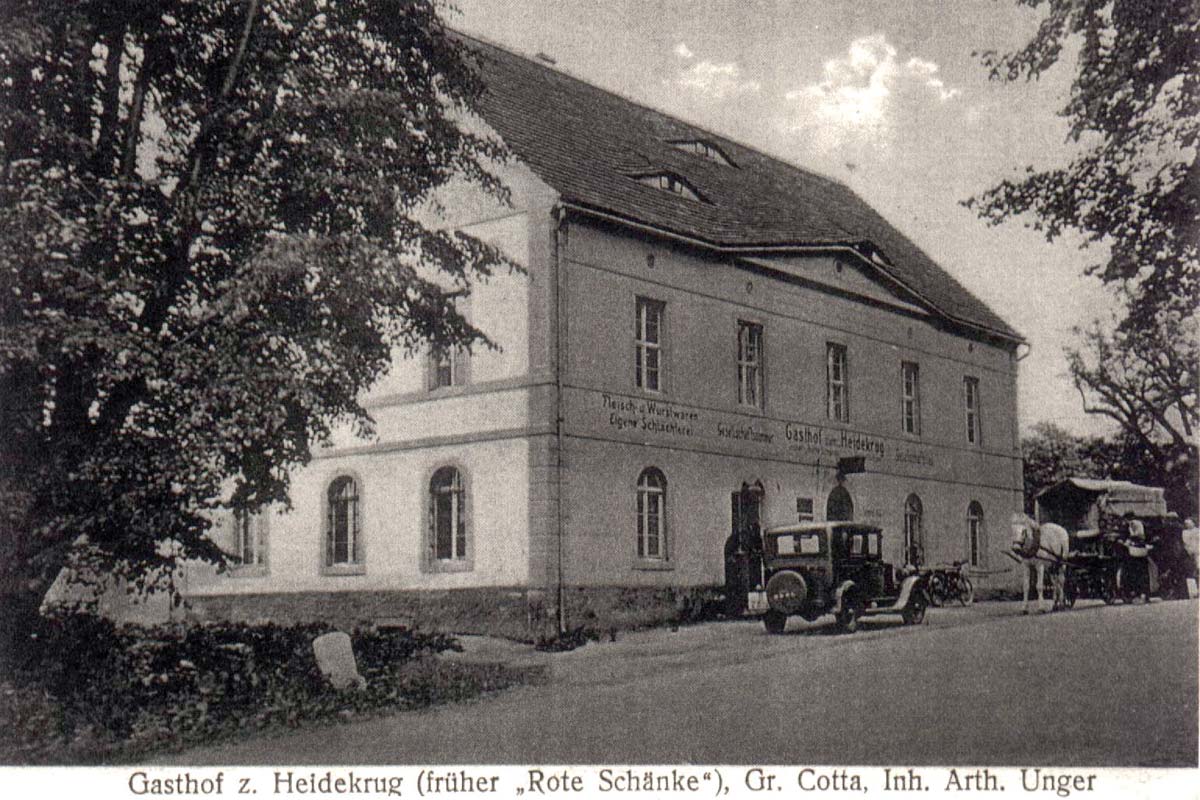
In 1797, the “Rote Schenke” was rebuilt and was welcomed by travelers on the old Bohemian postal and freight route, offering them food, a bed for the night, and assistance when, for example, heavy carriages had to be pulled out of deep snow.
During the Napoleonic era, the road from Pirna to the “Rote Schenke” was expanded, and in 1811 a tollgate was erected there, which was only lifted after the road tax had been paid at the inn. As early as 1813, during the fighting, the “Rote Schenke” was destroyed down to its foundation walls.
Rebuilt two years later, it witnessed the passage of the Prussians in 1866.
